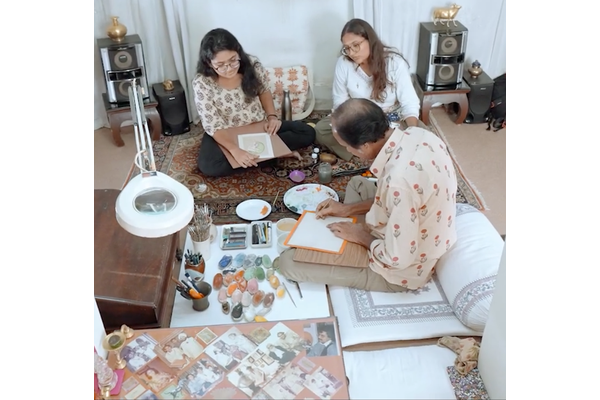
A study of 262 miniature artists in Jaipur shows how structured apprenticeship, ritual practice, and gradual permission to innovate help preserve artistic skill and cultural meaning across generations.
Read More
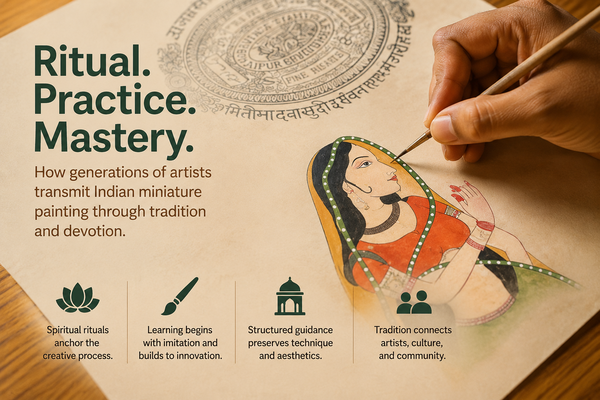
A study of 262 miniature artists in Jaipur shows how structured apprenticeship, ritual practice, and gradual permission to innovate help preserve artistic skill and cultural meaning across generations.
Read MoreA CACS documentary explores how artists in Jaipur transmit miniature-painting skills, cultural knowledge, and spiritual traditions across generations.
Read MoreFaiz Hashmi received a Cultural Evolution Society award for his presentation on ritualization and the transmission of mastery in Indian miniature painting.
Read MoreA new book chapter shares lessons from the team’s research on artistic training, spiritualization, and cultural transmission among miniature painters in Jaipur.
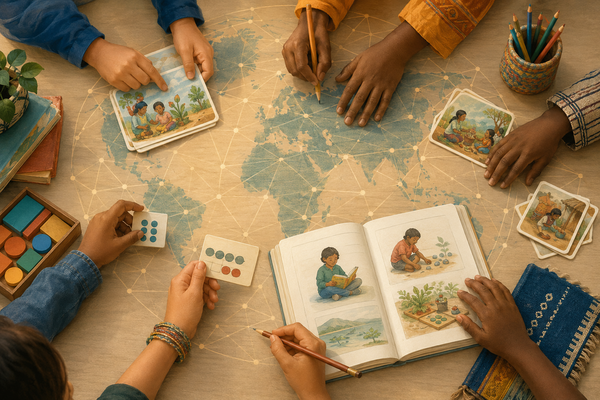
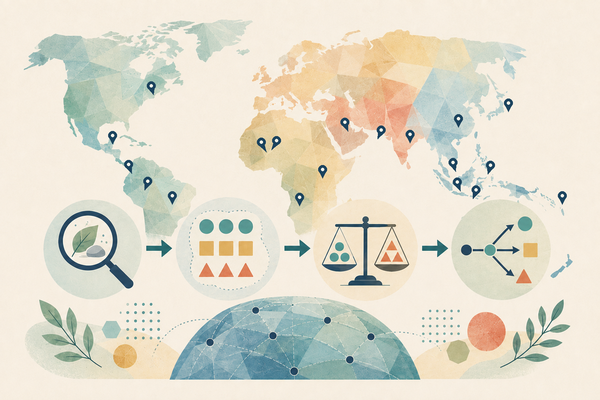
Read MoreThe Culture of Schooling team completed a major revision of its cross-cultural analysis, adding Hadza data from Tanzania and refining models of children’s literacy and numeracy across 16 sites.
Read MoreThe Culture of Schooling team is developing a preregistered cross-national study of the developmental trajectories of science-reasoning skills across 16 countries.
Read MoreA new Royal Society paper develops a comparative framework for understanding how rats and cockroaches achieve collective intelligence through different cognitive and social mechanisms.
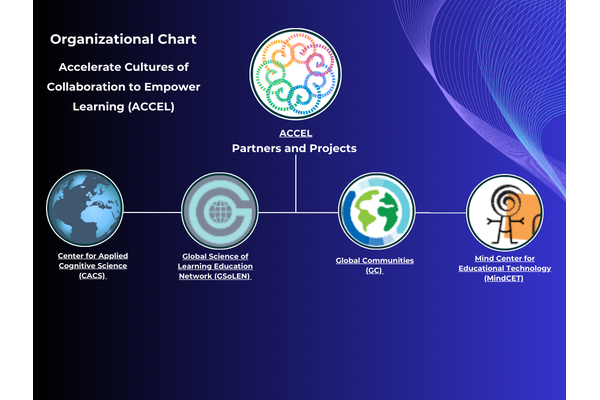
Read MoreThe ACCEL network is connecting researchers, educators, policymakers, and practitioners across countries to develop culturally grounded approaches to learning and development.
Read MoreACCEL is inviting researchers and organizations to explore opportunities to contribute to its interdisciplinary global network.
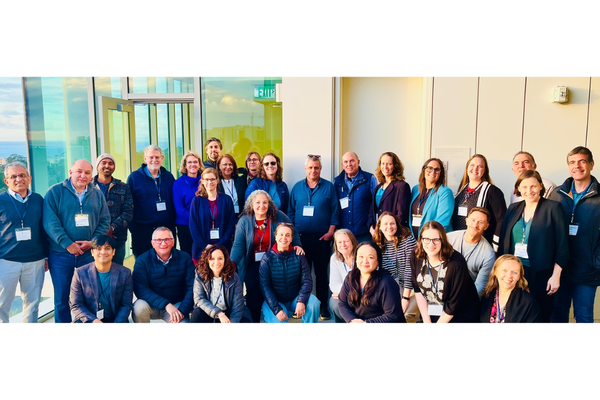
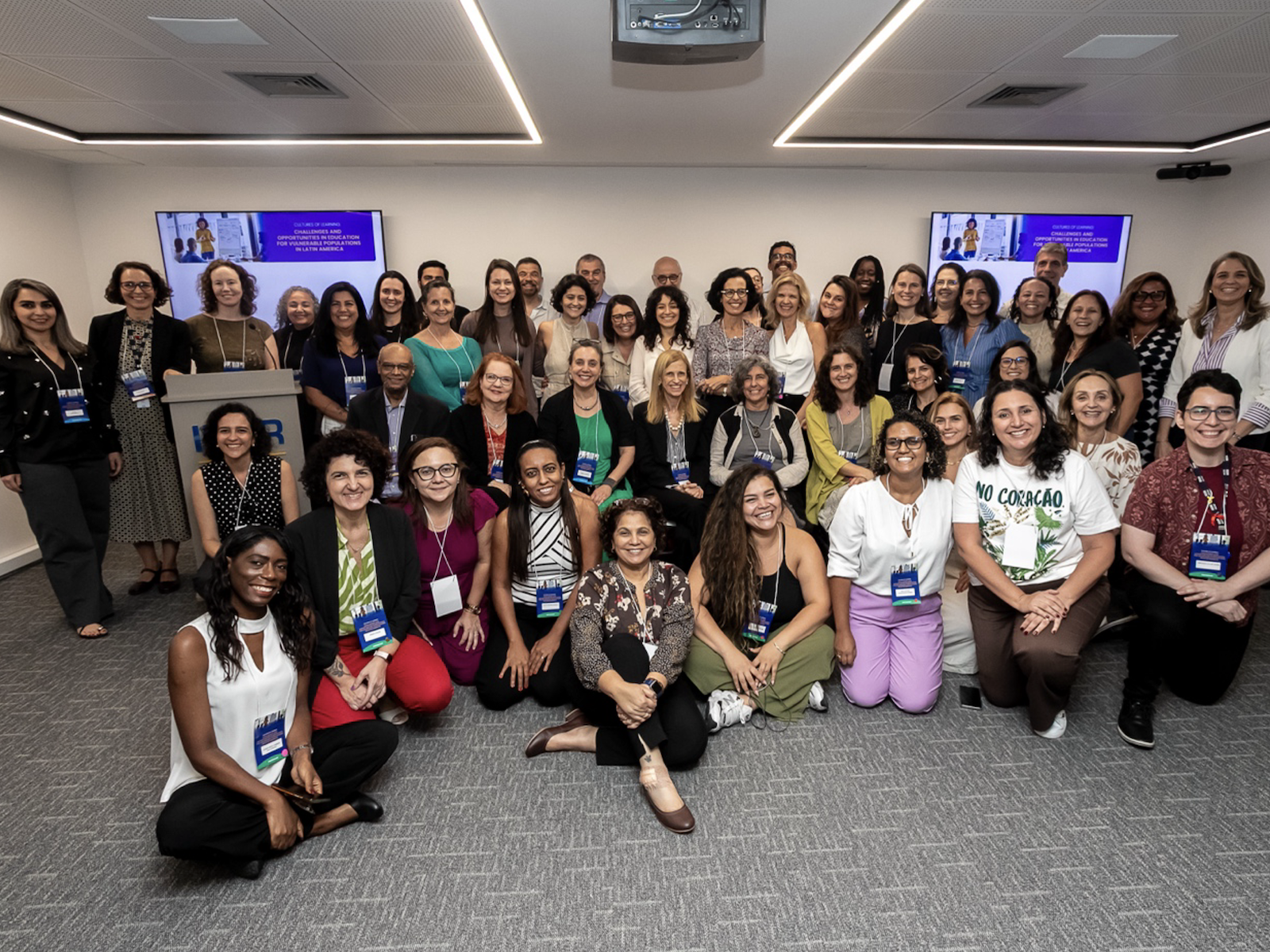
Read MoreA November 2025 convening in Brazil brought together diverse stakeholders to develop systems-level approaches to education and well-being in chronic stress environments.
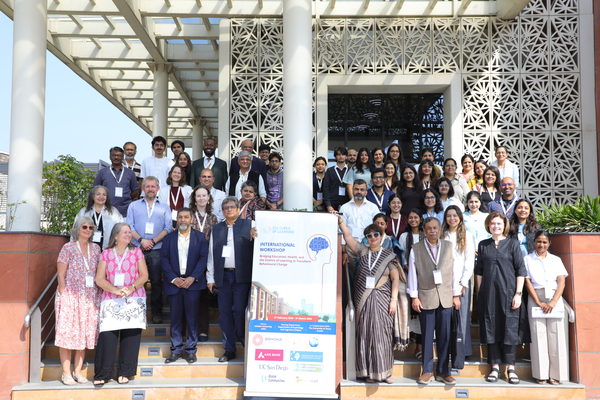
Read MoreA February-March 2026 workshop convened leaders across sectors to redesign behavioral change initiatives around learning processes, cultural context, and long-term capability building.
Read MoreEarly Thinkery Connect findings show how exhibit signage can support parent-child interaction and children’s learning in museums.
Read MoreThe Learning to Innovate project is building the first systematic cross-cultural study of how cognitive development and educational experience support children’s tool innovation.
Read MoreCristine Legare presented Learning to Innovate at Stanford’s MAGIC Network Workshop, connecting the project to broader efforts to measure inquiry and curiosity across learning contexts.
Read MoreCristine Legare joined the Change Technically podcast to discuss how intellectual openness and cross-disciplinary collaboration can advance science and practice.
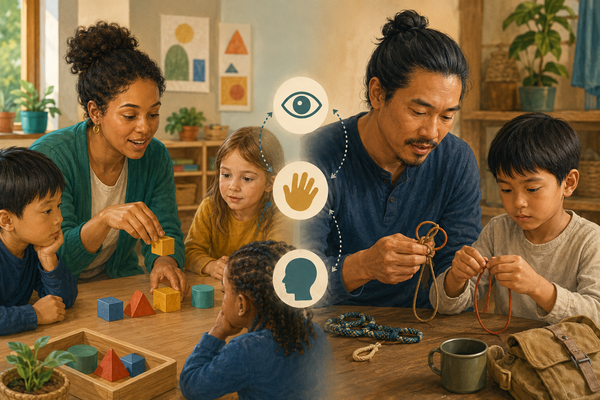
Read MoreThis analysis examines how education and caregiver teaching practices shape variation in imitation and teaching across diverse cultural settings.
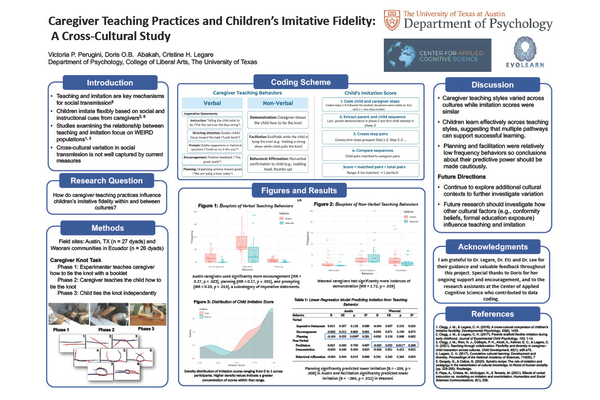
Read MoreAn undergraduate honors thesis poster compared caregiver teaching and children’s imitation across Austin and Waorani, Ecuador, field sites.
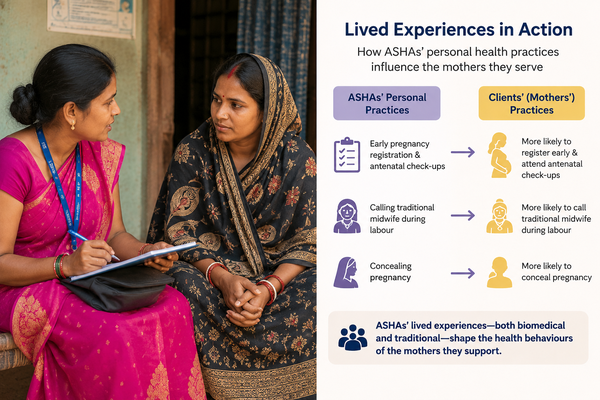
Read MoreA study in rural Bihar finds that community health workers’ own biomedical and traditional maternal-health practices are associated with the practices of the women they support.
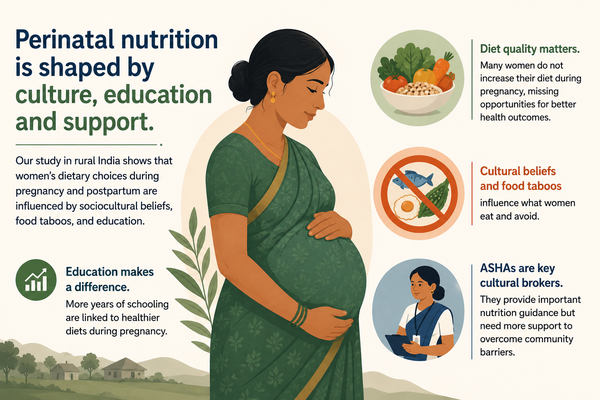
Read MoreA mixed-methods study in rural Bihar highlights education, food beliefs, and community health worker support as key influences on nutrition during pregnancy and after childbirth.
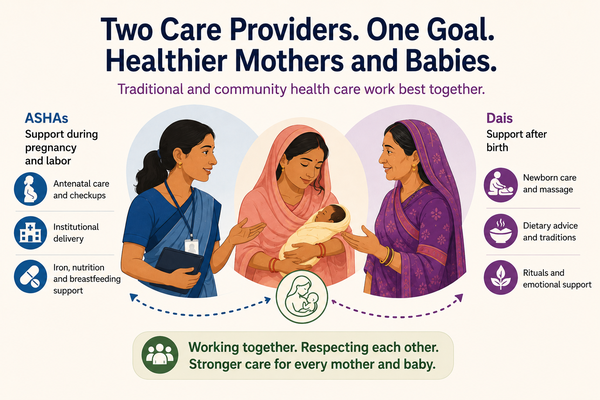
Read MoreA mixed-methods study shows how ASHAs and traditional birth attendants play complementary roles across pregnancy, delivery, and postpartum care in rural Bihar.
Read More